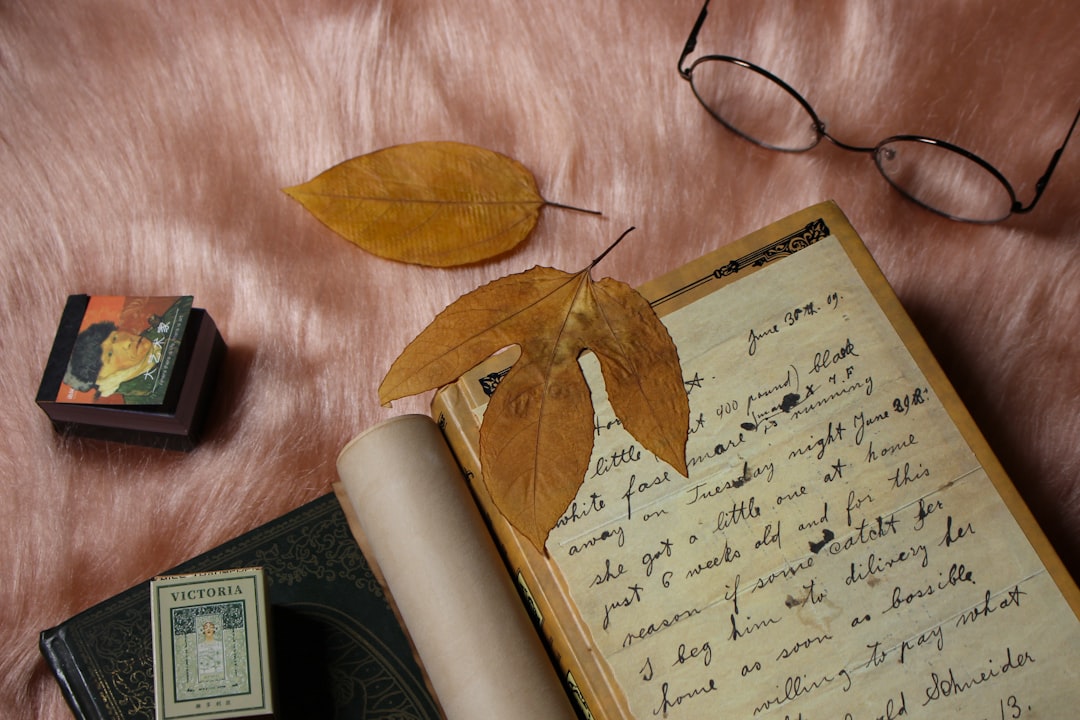
Header photo by melanfolia меланфолія on Unsplash
As the dawn of the 20th century emerged, the world began to undergo dramatic changes. For women, this period marked a significant transformation in their roles within society. Diaries from this era offer a unique lens through which we can explore these shifts, highlighting women’s evolving identities amidst the backdrop of modernity.
Documenting the Shift: Women’s Voices in Their Own Words
Diaries provide a captivating glimpse into the daily lives of women, showcasing their personal thoughts, struggles, and triumphs. Through the private pages of these diaries, we can dive deep into the realities faced by women who experienced unprecedented social change. For instance, the diaries of women like Virginia Woolf highlight their fight for intellectual freedom during a time when societal expectations were rigidly defined. Woolf’s reflections reveal her struggles with mental health and her desire to carve out space for her creative voice, all while navigating the expectations placed on women of her class and era.
The Impact of World Wars on Women’s Roles
The two World Wars were pivotal moments that drastically reshaped women’s roles. As men went off to fight, women stepped into roles traditionally held by men, working in factories, driving trucks, and even serving in auxiliary military roles. Elizabeth Cowie’s diary from 1915 provides vivid accounts of her experiences as a factory worker in munitions. She documents her fatigue, the camaraderie with fellow workers, and the sudden sense of empowerment she felt as she contributed to the war effort. This shift wasn’t just temporary; it laid the groundwork for future generations of women to continue breaking barriers.
By the war’s end, women weren’t eager to revert to their previous roles. Instead, they sought to maintain autonomy, which they had discovered during the conflict. The Feminine Mystique by Betty Friedan, although published much later in 1963, reflects the sentiments and desires rooted in experiences of women who lived through the World Wars. Such connections between personal diaries and wider social movements reveal patterns in women’s struggles for rights and recognition.
Entryways to the Lives of Diverse Women
Notably, women from varying backgrounds express their narratives in distinct ways. Zora Neale Hurston, for example, captures the joys and challenges of being an African American woman in the early 20th century. Her letters and diaries not only recount personal anecdotes but also weave in the cultural and societal pressures she faced. This representation broadens our understanding of women’s experiences beyond a singular narrative, highlighting how race, class, and geography intersected in unique ways.
In contrast, the diaries of working-class women often touch on economic challenges and family dynamics. The writings of ladies like Agnes McHugh, an Irish immigrant, delve into the harsh realities of labor life. Her reflections provide insight into her struggles, friendships, and the community she built amidst adversity. These narratives are crucial for painting a holistic picture of women’s lives during this transformative period.
The Influence of Literary Movements
The early 20th century also saw the rise of literary movements that encouraged women to express themselves and capture their experiences. The Bloomsbury Group, with figures like Woolf at its helm, fostered an environment of creative freedom. Their diaries often included candid thoughts about love, art, and the desire for personal freedom. The influence of these literary movements can’t be understated, as they inspired countless women to pen their thoughts and share their truths.
Moreover, writers like Edna St. Vincent Millay used their poetry and private writings to challenge the puritanical norms of femininity prevalent in their times. Millay’s works and thoughts reflect a deep yearning for independence and the rejection of societal limitations, as found in her poem “What My Lips Have Kissed” where she longs for the freedom to love and live authentically.
Challenging Gender Expectations
The early 20th century also brought about a significant push for women’s rights, including the suffrage movement. Many women documented their activism in diaries, such as Alice Paul, whose writings reflect her work with the National Woman’s Party and her determination to secure rights for women. Her diary entries reveal the frustrations and victories of marching, protesting, and rallying for support. The importance of these entries lies not only in their content but also in their ability to convey a collective hope—a hope that inspired many to join the fight for equality.
Everyday Struggles: Beyond Activism
While activism is a crucial part of women’s history, many diaries encompass the intricate details of everyday life, which can be equally revealing. The diary of a homemaker may document her struggles with domesticity, the challenges of raising children, and her longing for personal fulfillment. Women like Alice Dunbar Nelson provide rich narratives that speak to family life and interpersonal relationships. These unsung heroes captured the essence of what it meant to navigate personal and societal expectations.
Through their entries, women expressed their desires, fears, and dreams, making their diaries important historical artifacts. They demonstrate resilience in the face of adversity, showcasing the emotional and cognitive landscapes of women who often felt overlooked in traditional historical narratives.
Legacy of Personal Narratives
The legacies of women’s diaries from the early 20th century extend far beyond their immediate context. They continue to inform contemporary discussions about gender, economics, and identity. Scholars and students alike use these personal accounts to highlight the diverse experiences of women during a transitional phase in history. The cultural tapestry woven through their words offers invaluable lessons about the journey toward equality and the ongoing struggles faced by women today.
Moreover, these written records are crucial in bridging gaps in our understanding of history, as they provide personal insights into events that are often chronicled through a male lens. The nuances and richness they offer ensure that the stories of women endure, making them a vital part of our cultural inheritance.
Reflecting on Their Impact
As we reflect on the diaries of these early 20th-century women, it’s clear that their insights shaped not just their lives but continue to resonate today. They remind us of the importance of personal narratives in shaping our understanding of history and the inherently human experience. Each diary tells a story, revealing the resilience, creativity, and courage found within the pages – the stories of women who dared to dream, to challenge, and to assert their identities in a rapidly changing world.
By exploring these authentic voices, we open the door to understanding the subtleties of women’s experiences – crafting a narrative that is richly layered and deeply human. Whether through the beauty of artistic expression or the mundane challenges of everyday life, these diaries shine a light on the diverse spectrum of women’s lives in the early 20th century.
So, the next time you read a woman’s diary from this era, remember that you’re not just reading personal reflections; you’re engaging with a powerful history filled with voices that dared to be heard.